Block Stripes Pattern: A Versatile Design Solution for Modern Projects
The Block Stripes Pattern is a design concept that has gained popularity across various industries due to its simplicity, visual appeal, and adaptability. This pattern involves the use of repeating blocks or stripes in different colors, shapes, or textures to create a cohesive and eye-catching layout. Whether you're designing a website, creating a product, or planning an event, understanding how to effectively use the Block Stripes Pattern can elevate your project's aesthetic and functionality.
What Is the Block Stripes Pattern?
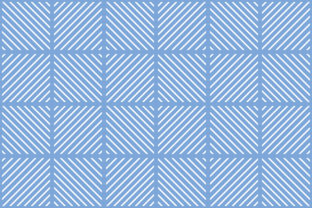
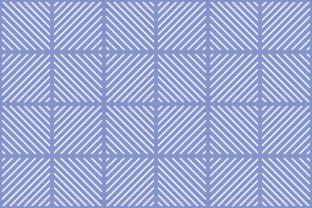
The Block Stripes Pattern refers to a design approach where elements are arranged in alternating rows or columns, often with contrasting colors or textures. Unlike traditional striped patterns that rely on thin lines, this variation uses solid blocks to create a more dynamic and structured look. The key feature of this pattern is its ability to balance order and creativity, making it ideal for both digital and physical applications.
For example, a website might use the Block Stripes Pattern to separate content sections, while a fashion brand could incorporate it into fabric designs. The versatility of this pattern allows it to be adapted to almost any context, from branding to user interface design.
Key Features and Characteristics
- Visual Hierarchy: The Block Stripes Pattern helps organize information by creating clear divisions between content areas.
- Color Contrast: By using complementary or high-contrast colors, the pattern enhances readability and visual interest.
- Repetition: The consistent repetition of blocks or stripes adds a sense of rhythm and familiarity to the design.
- Flexibility: It can be customized to fit different color schemes, sizes, and layouts depending on the project’s needs.
One of the most appealing aspects of the Block Stripes Pattern is its ability to maintain a clean and modern appearance without being too rigid. This makes it particularly useful for designers looking to achieve a balance between aesthetics and usability.
Where Can the Block Stripes Pattern Be Used?
The Block Stripes Pattern is not limited to a single industry or medium. Here are some common applications:
- Digital Design: Websites, mobile apps, and social media layouts often use the Block Stripes Pattern to structure content and improve navigation.
- Fashion and Textiles: Clothing brands and interior designers frequently incorporate this pattern into fabrics, rugs, and wall coverings.
- Graphic Design: Posters, logos, and promotional materials can benefit from the Block Stripes Pattern to create a striking visual identity.
- Interior Design: This pattern can be used in flooring, furniture, and decorative elements to add texture and depth to a space.
Its adaptability means that the Block Stripes Pattern can be tailored to suit a wide range of projects, from small-scale personal endeavors to large-scale commercial ventures.
Who Benefits from the Block Stripes Pattern?
The Block Stripes Pattern is beneficial for a diverse group of users, including:
- Designers: They can use this pattern to enhance the visual appeal and organization of their work.
- Business Owners: Incorporating the Block Stripes Pattern into branding or marketing materials can help create a memorable and professional image.
- Creatives: Artists and content creators may find this pattern useful for adding texture and structure to their projects.
- Online Users: Website visitors can benefit from the clarity and visual hierarchy provided by this pattern.
Whether you're a professional or a hobbyist, the Block Stripes Pattern offers a practical and stylish solution for a variety of design challenges.
Strengths of the Block Stripes Pattern
The Block Stripes Pattern has several strengths that make it a valuable tool in design:
- Clarity: It helps guide the viewer's eye through content in a logical and organized way.
- Customization: The pattern can be modified to match specific brand identities or design themes.
- Scalability: It works well across different screen sizes and resolutions, making it suitable for responsive design.
- Time Efficiency: Because of its repetitive nature, it can be implemented quickly and efficiently during the design process.
These strengths make the Block Stripes Pattern an excellent choice for both beginners and experienced designers looking to streamline their workflow.
Considerations and Limitations
While the Block Stripes Pattern is highly versatile, there are some considerations to keep in mind:
- Overuse: Using too many blocks or stripes can lead to visual clutter, especially if the spacing or color contrast is not well managed.
- Accessibility: It's important to ensure that the pattern does not interfere with readability, especially for users with visual impairments.
- Context Matters: The pattern should be used in a way that complements the overall design rather than overpowering it.
- Consistency: Maintaining consistency in the pattern’s application is crucial for achieving a cohesive and professional look.
By being mindful of these factors, you can ensure that the Block Stripes Pattern enhances your project without overwhelming the audience.
Real-World Applications and Examples
The Block Stripes Pattern is widely used in real-world scenarios. Here are a few examples:
- Website Layouts: Many websites use this pattern to separate content sections, such as headers, sidebars, and footers.
- App Interfaces: Mobile apps often incorporate the Block Stripes Pattern to organize menus and navigation elements.
- Product Packaging: Brands use this pattern on packaging to create a distinctive and visually appealing design.
- Interior Spaces: This pattern can be found in home decor items like cushions, curtains, and rugs.
These examples demonstrate how the Block Stripes Pattern can be applied across different industries and contexts, proving its effectiveness and adaptability.
Evaluating Suitability for Your Needs
Before implementing the Block Stripes Pattern, it's important to evaluate whether it aligns with your project's goals and requirements. Consider the following questions:
- Does the pattern support the overall design theme and brand identity?
- Will it enhance user experience or potentially cause confusion?
- Is the pattern scalable and adaptable to different platforms or mediums?
- Are there any accessibility concerns that need to be addressed?
By carefully assessing these factors, you can determine whether the Block Stripes Pattern is the right choice for your specific project.
Conclusion
The Block Stripes Pattern is a powerful and flexible design solution that offers a unique blend of structure and creativity. Its ability to enhance visual hierarchy, improve organization, and provide a modern aesthetic makes it a valuable asset for designers, businesses, and creators alike. Whether you're working on a digital project, a fashion line, or an interior design concept, the Block Stripes Pattern can help you achieve a polished and professional result. By understanding its features, applications, and limitations, you can confidently integrate this pattern into your next project and elevate your design outcomes.