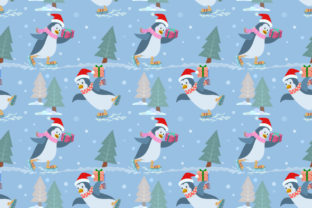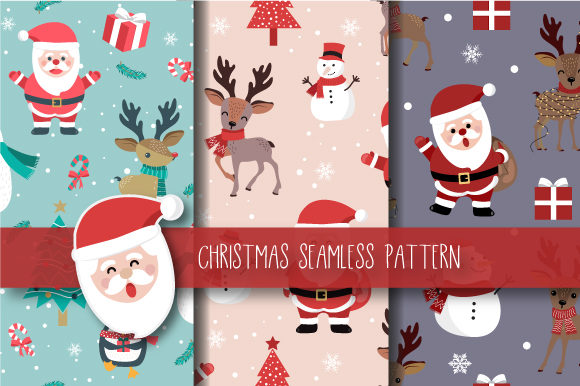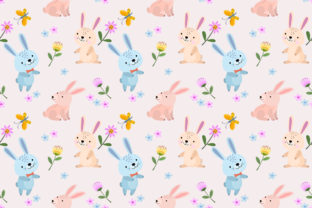
Cute Rabbit Pattern
The Cute Rabbit Pattern is a versatile, seamless design that offers endless creative possibilities. Whether you're working on fabric projects, gift wrapping, wallpaper, or digital backgrounds, this pattern can be the perfect addition to your toolkit. Its soft and whimsical aesthetic makes it ideal for both personal and professional use, blending charm with functionality.
Understanding the Cute Rabbit Pattern
The Cute Rabbit Pattern is designed to repeat seamlessly, which means it can be stretched across any surface without visible seams. This makes it especially useful for large-scale applications like wall coverings or fabric prints. The pattern comes in a zip file containing a high-resolution .jpg image of 5000 x 5000 pixels and an .eps file formatted for vector editing. These formats ensure compatibility with both raster and vector design software, giving users flexibility in how they work with the pattern.
The Cute Rabbit Pattern is not just a decorative element—it’s a practical resource that can be integrated into various stages of a creative workflow. From initial concept development to final execution, its adaptability allows it to fit seamlessly into different project phases.
Where Does the Cute Rabbit Pattern Fit In?
The Cute Rabbit Pattern can be used at multiple points in a project lifecycle. For instance, during the planning phase, it can serve as a visual reference to inspire design choices or help establish a cohesive theme. When creating a product, such as a custom fabric or packaging, it can act as a consistent visual element that enhances brand identity.
During the execution phase, the Cute Rabbit Pattern can be applied directly to materials using print or digital tools. It also works well in the post-production stage, where it can be used as a background for presentations, marketing materials, or social media content. Its versatility ensures that it remains relevant throughout the entire process.
Integration With Design Tools
The Cute Rabbit Pattern is compatible with a range of design software, including Adobe Illustrator and Affinity Designer. These programs allow for precise editing and scaling, making it easy to adjust the pattern to fit specific project requirements. Users can also apply effects, change colors, or combine the pattern with other elements to create unique designs.
For those who prefer digital workflows, the .eps format provides scalability without loss of quality, ensuring that the pattern maintains its clarity even when resized. This is particularly important for print projects where resolution plays a key role in the final outcome.
Practical Use Cases
The Cute Rabbit Pattern has a wide range of applications across different industries and creative fields. Here are some examples:
- Fabric and Textile Design: Use the pattern to create custom fabrics for clothing, home décor, or accessories. It can be printed onto cotton, linen, or synthetic materials for a variety of uses.
- Gift Wrapping: Apply the pattern to paper or fabric wraps to add a touch of whimsy and personality to holiday or special occasion gifts.
- Wallpaper and Backdrops: Transform spaces with the Cute Rabbit Pattern by using it as a wallpaper or backdrop for events, photo sessions, or interior design projects.
- Digital Backgrounds: Incorporate the pattern into websites, apps, or presentations to enhance user experience and visual appeal.
- Marketing and Branding: Use the pattern as part of branding materials, such as logos, banners, or promotional items, to create a memorable and engaging visual identity.
Each of these use cases demonstrates how the Cute Rabbit Pattern can be tailored to meet specific needs while maintaining its core aesthetic.
Workflow Integration Tips
To integrate the Cute Rabbit Pattern smoothly into your workflow, consider the following tips:
- Plan Ahead: Before starting a project, determine how the pattern will be used and what adjustments may be needed. This helps streamline the design process and avoid last-minute changes.
- Use the Right Tools: Choose the appropriate software based on your project type. Vector programs like Adobe Illustrator are great for scalable designs, while raster tools like Photoshop are better for photo-based applications.
- Test and Refine: Always test the pattern in different contexts to ensure it looks good in all sizes and formats. Make adjustments as needed to maintain quality and consistency.
- Organize Your Files: Keep your project files organized so you can easily access the pattern and other assets. This improves efficiency and reduces the risk of errors.
- Collaborate Effectively: If working with a team, make sure everyone understands how the pattern fits into the overall design vision. Clear communication ensures that the final result aligns with expectations.
By following these best practices, you can maximize the utility of the Cute Rabbit Pattern and ensure it enhances your creative output without complicating your workflow.
Quality and Long-Term Use
The Cute Rabbit Pattern is designed for long-term use, making it a valuable asset for both personal and professional projects. Its high-resolution format ensures that it remains sharp and clear, even when scaled up or printed at large sizes. This is especially important for commercial applications where quality is paramount.
Additionally, the pattern’s timeless design means it can be used across multiple projects without becoming outdated. Whether you’re working on a seasonal campaign or a long-term brand initiative, the Cute Rabbit Pattern offers a consistent and reliable visual element.
Conclusion
The Cute Rabbit Pattern is more than just a decorative element—it’s a powerful tool that can enhance creativity, streamline workflows, and elevate the final outcome of your projects. By understanding its capabilities and integrating it thoughtfully into your process, you can unlock new possibilities and achieve greater results in your work.