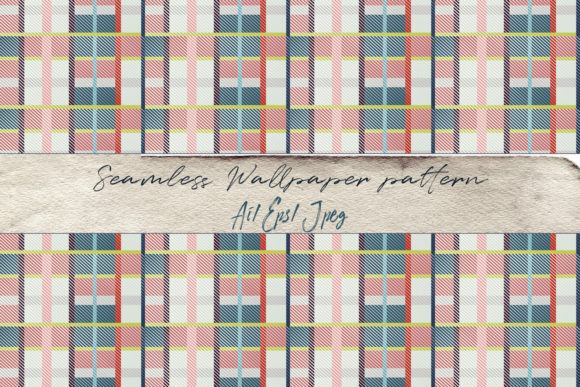
Retro Vector Square Scottish Plaid
Retro Vector Square Scottish Plaid is more than just a design element—it's a strategic tool that can enhance creativity, communication, and decision-making in various professional and personal contexts. This pattern, rooted in traditional Scottish heritage, has been reimagined through vector technology to offer infinite scalability and adaptability. Its geometric structure and retro aesthetic make it versatile for branding, content creation, and visual storytelling. For professionals seeking to align their visual strategies with meaningful outcomes, understanding how to leverage this design effectively can be a game-changer.
The Strategic Value of Retro Vector Design
At its core, the Retro Vector Square Scottish Plaid represents a fusion of nostalgia and modernity. The square grid pattern, reminiscent of classic tartan designs, offers a structured yet flexible foundation for visual projects. When converted into vector format, it becomes a powerful asset for those who value precision and scalability. Unlike raster images, which lose quality when scaled, vector files maintain sharpness and clarity at any size, making them ideal for digital and print applications alike.
For entrepreneurs and marketers, this design can serve as a consistent visual identity across multiple platforms. Whether used in logos, website backgrounds, or social media assets, the plaid pattern provides a timeless look that resonates with audiences while remaining adaptable to evolving trends. Its retro appeal also allows for a unique brand positioning that stands out in a crowded market.
How Retro Vector Design Supports Strategic Goals
Integrating Retro Vector Square Scottish Plaid into your creative workflow can support several strategic goals. First, it enhances planning by offering a visual framework that aligns with your brand’s identity. A cohesive visual language helps streamline communication, ensuring that all messaging and design elements reinforce your core values and objectives.
Second, it supports creativity by providing a base from which to build more complex designs. The plaid pattern can act as a canvas for experimentation, allowing designers to layer textures, colors, and typography without compromising clarity. This approach encourages innovation while maintaining a sense of purpose and direction.
Third, it improves productivity by reducing the need for constant redesigns. Since the pattern is scalable and reusable, it minimizes the time spent on repetitive tasks, allowing teams to focus on higher-level strategy and execution.
Practical Applications Across Industries
- Branding: Use the plaid pattern as a recurring element in logo design, packaging, and promotional materials to create a strong visual identity.
- Education: Incorporate the pattern into teaching resources or course materials to add a visually engaging element that aids in information retention.
- Marketing: Apply the design to digital campaigns, infographics, or email templates to create a cohesive and memorable brand experience.
- Freelancing: Offer the plaid pattern as a customizable template to clients, helping them achieve a polished look without requiring extensive design work.
- Small Business: Utilize the pattern in signage, brochures, or website headers to create a professional appearance that reflects your brand’s personality.
When and How to Approach Retro Vector Design
Before incorporating Retro Vector Square Scottish Plaid into your projects, consider the context and purpose. This design works best when it aligns with your brand’s tone and target audience. For example, a vintage-inspired fashion brand may benefit from using the plaid pattern in product visuals, while a tech startup might find it less appropriate unless they are intentionally embracing a retro aesthetic.
To approach the design strategically, start by defining clear goals. Are you aiming to evoke nostalgia, communicate tradition, or stand out in a competitive market? Once you have a clear objective, select the right color variations—such as blue, beige, white, and orange—to match your brand’s palette and message.
Additionally, ensure that the design complements other elements in your visual hierarchy. The plaid pattern should enhance, not overwhelm, the overall composition. Test different placements and sizes to determine where it has the most impact without distracting from your primary content.
Key Considerations Before Relying on Retro Vector Design
- Clarity: Ensure that the plaid pattern does not interfere with readability or accessibility. Avoid using it as a background for text unless it is properly layered or adjusted for contrast.
- Consistency: Maintain a consistent application of the pattern across all touchpoints to reinforce brand recognition and trust.
- Context: Evaluate whether the design fits the intended use case. A retro plaid pattern may not be suitable for every industry or audience, so consider its relevance before implementation.
- Scalability: Leverage the vector format to ensure that the design remains high-quality at any scale, whether for print or digital use.
- Adaptability: Be prepared to modify or combine the pattern with other design elements to suit changing needs or new project requirements.
Risks of Using Retro Vector Design Without Clear Context
While Retro Vector Square Scottish Plaid can be a valuable asset, its effectiveness depends on thoughtful application. Using it without clear goals or context can lead to misaligned messaging and diluted brand identity. For instance, applying the pattern to a modern, minimalist website may create visual clutter and confuse users, undermining the intended user experience.
Moreover, relying on the design without a strategic plan can result in wasted resources. Time and effort invested in creating or sourcing the pattern should yield tangible returns, such as improved engagement, stronger brand recall, or increased customer loyalty. Without a clear roadmap, these benefits may not materialize.
Another risk is overuse. While the plaid pattern can be versatile, repeating it across all design elements can lead to a lack of originality and a perception of inconsistency. Balance is key—use the pattern selectively to maintain its impact without overwhelming your audience.
Strategic Observations for Long-Term Value
To maximize the long-term value of Retro Vector Square Scottish Plaid, treat it as part of a broader design strategy rather than a standalone element. This means integrating it thoughtfully into your overall brand ecosystem, ensuring that it supports your long-term objectives and adapts to future needs.
One effective approach is to use the pattern as a visual anchor. By consistently applying it to key touchpoints—such as your logo, website header, or social media profile—you create a recognizable brand presence that reinforces your identity over time.
Additionally, consider how the pattern can evolve with your brand. As your business grows or your audience changes, the plaid design can be modified or combined with new elements to reflect your updated vision without losing its core appeal.
Decision-Making Guidance for Intentional Use
When deciding to incorporate Retro Vector Square Scottish Plaid into your projects, ask yourself a few critical questions:
- Does this design align with my brand’s identity and values?
- Will it enhance the user experience or distract from the main message?
- Is there a clear purpose behind its use, or am I adding it for aesthetics alone?
- Can I apply it consistently across all platforms without compromising quality or clarity?
- Am I prepared to adapt it as needed to meet future goals?
By answering these questions honestly, you can ensure that your use of the plaid pattern is intentional and impactful, rather than random or superficial.
Conclusion: Leveraging Retro Vector Design for Real Results
Retro Vector Square Scottish Plaid is a versatile and strategic design tool that can support a wide range of professional and creative goals. Its vector format ensures scalability and adaptability, making it an ideal choice for brands and individuals looking to create a cohesive and meaningful visual identity.
However, its success depends on thoughtful application. By aligning the design with your strategic objectives, considering context and audience, and maintaining consistency, you can unlock its full potential and achieve better results in your work. Whether you're an entrepreneur, marketer, educator, or freelancer, the right use of this pattern can elevate your brand, improve communication, and drive long-term success.